On This Page:
Group Reformer Pilates
Start with a $10 introductory session. Train with only two to four women and receive focused coaching in Woodbridge.
Need Help Choosing the Right Program?
Tell us about your goals, experience, and preferred training style?
Our team can help you explore Reformer Pilates, strength training, personal training, Clinical Pilates, Active Rehab, and other women’s fitness programs.
One of the biggest things I learned from coaching challenges is that many people think they’re eating “high protein”…
But they don’t actually understand protein quality.
And honestly, that’s normal.
Most people hear words like:
- oats
- peanut butter
- nuts
- quinoa
- chickpeas
…and assume they’re “protein foods.”
Now yes — some of these foods DO contain protein.
But that does NOT make them high-quality protein sources.
That’s a huge difference.
The Problem
If your goal is:
- fat loss
- muscle retention
- recovery
- strength
- metabolism
- healthy aging
…then your body needs enough high-quality protein every single day.
Not just “foods that contain some protein.”
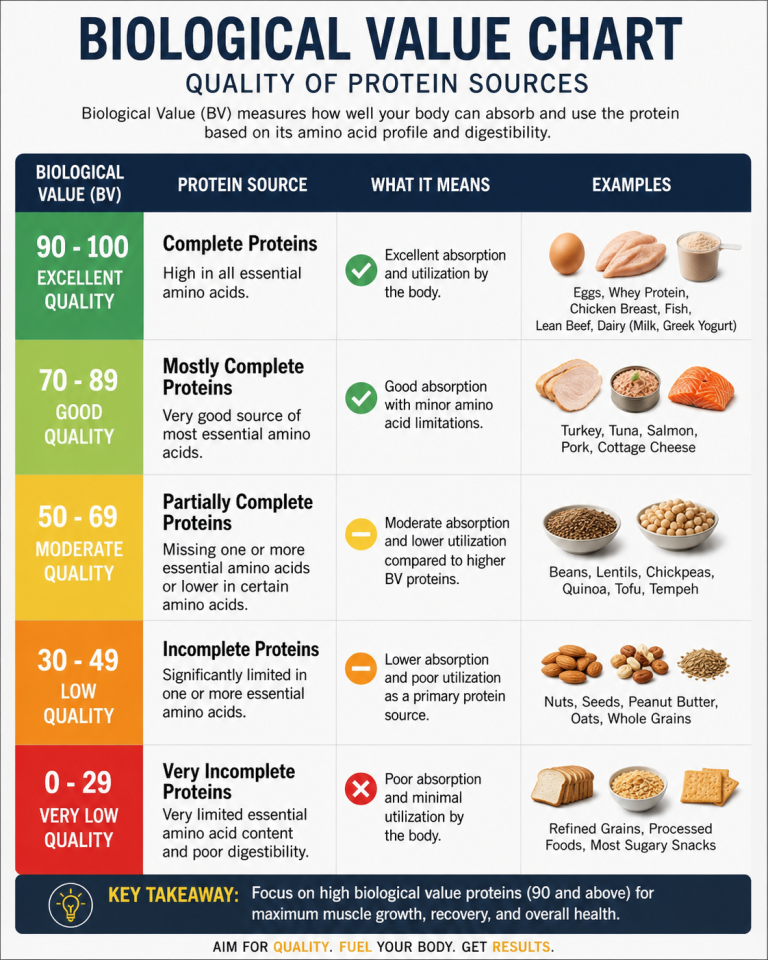
Protein Quality = Biological Value
This is where we talk about something called Biological Value (BV).
Biological Value measures:
How efficiently your body can absorb and USE a protein source.
Some proteins contain:
- all essential amino acids
- better amino acid ratios
- higher absorption rates
- stronger muscle-building potential
These are called COMPLETE proteins.
Examples:
- eggs
- chicken
- turkey
- fish
- Greek yogurt
- cottage cheese
- whey protein
- lean beef
These proteins are extremely efficient for recovery and muscle repair.
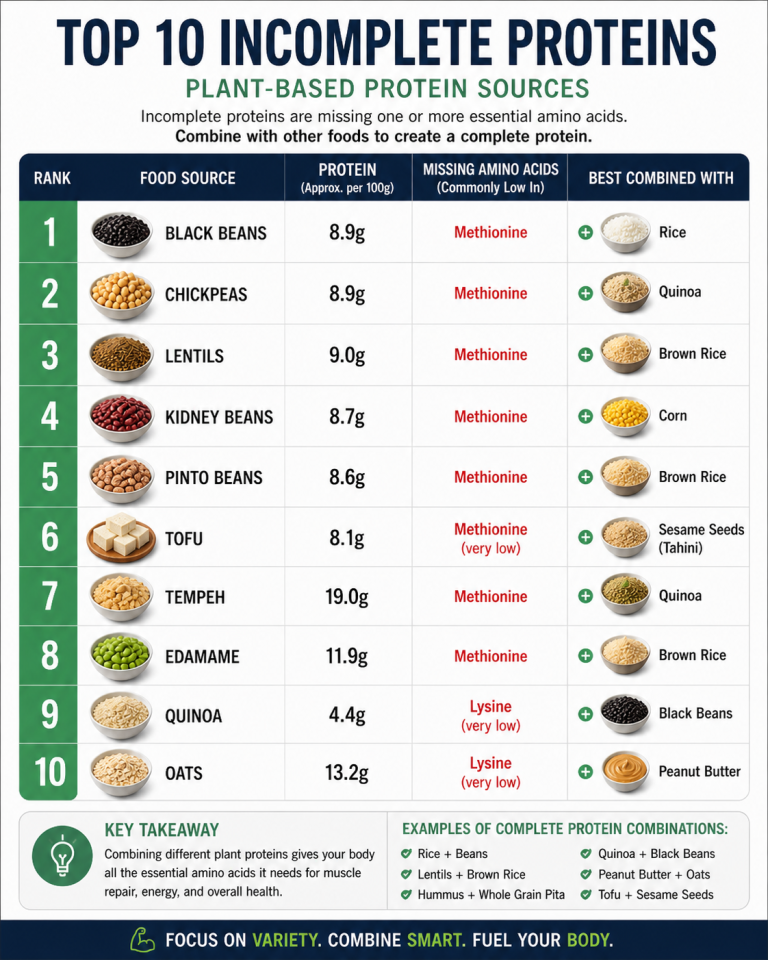
Then We Have Lower Quality Proteins
Foods like:
- peanut butter
- oats
- almonds
- quinoa
- chickpeas
- lentils
can absolutely be HEALTHY foods…
but they are NOT equivalent to chicken breast or eggs when it comes to protein quality.
Why?
Because:
- they usually contain incomplete amino acid profiles
- lower biological value
- less leucine (important for muscle repair)
- lower protein density
- more carbohydrates and fats attached to them
Example:
You may eat:
- 2 tablespoons of peanut butter
and think:
“I got my protein in.”
But realistically:
you mainly consumed fats and calories with only a small amount of protein.
Same thing with oats.
Oats are a fantastic carbohydrate and fibre source…
but not a powerful protein source.
Think of Amino Acids Like Workers
I always explain it this way:
Protein gets broken down into amino acids.
Those amino acids are like different tradespeople.
One is the electrician.
One is the plumber.
One is the drywall guy.
One helps recovery.
One helps muscle repair.
One helps hormones.
One helps immune function.
The better the protein quality…
the more skilled workers your body gets.
This Is Why Protein Matters So Much During Fat Loss
When calories come down…
protein becomes EVEN MORE important.
Why?
Because protein helps:
- preserve muscle
- keep you fuller longer
- improve recovery
- support metabolism
- reduce cravings
- stabilize blood sugar
And if you don’t get enough quality protein?
Your body can lose muscle along with fat.
That’s NOT the goal.
The Goal of any Challenge
The goal was never:
“Just eat less.”
The goal was:
Learn how to fuel your body PROPERLY.
That’s why we emphasized:
- protein at every meal
- real food
- understanding carbohydrates
- reducing processed foods
- building awareness
Because once you understand food quality…
everything changes.
SHARE POST: