On This Page:
Group Reformer Pilates
Start with a $10 introductory session. Train with only two to four women and receive focused coaching in Woodbridge.
Need Help Choosing the Right Program?
Tell us about your goals, experience, and preferred training style?
Our team can help you explore Reformer Pilates, strength training, personal training, Clinical Pilates, Active Rehab, and other women’s fitness programs.

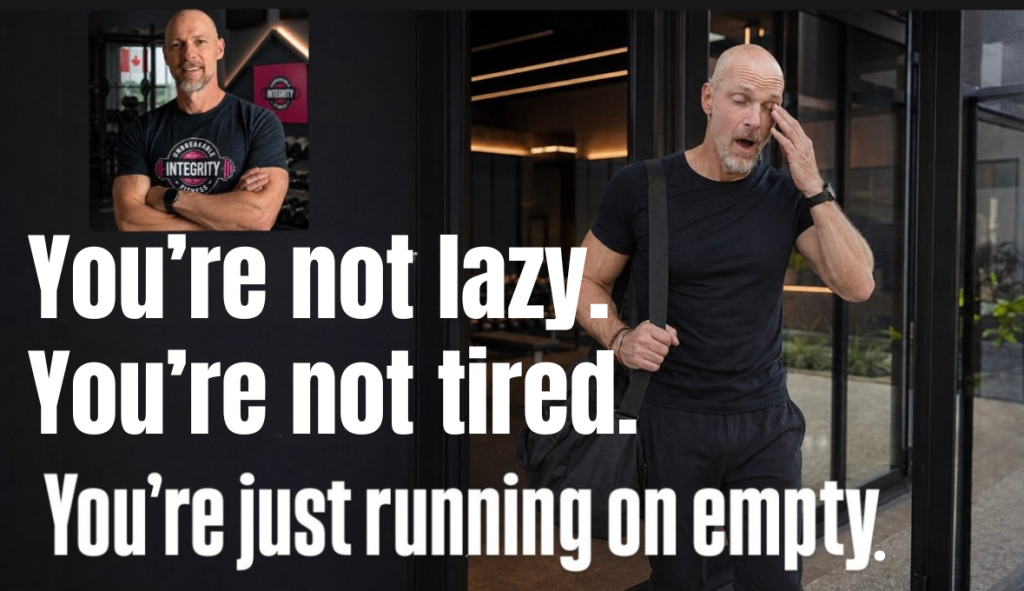
Summer is supposed to leave us feeling refreshed. So why are so many of us dragging ourselves through the day?
We’re still working. Still taking care of our families. Still getting things done. But we’re doing it tired.
And I’ll include myself in this conversation. I haven’t been sleeping well, and I can feel the difference. I’m still doing what needs to get done, but everything requires a little more effort. My energy is lower, my motivation isn’t the same, and staying consistent becomes harder.
That doesn’t necessarily mean we’ve become lazy. It may mean we’ve been slowly running down our batteries.
The summer routine drift
Summer changes more than our schedule. It can change the habits that regulate our energy:
- We stay up later because it remains light longer.
- We wake up at different times.
- Vacations and weekends interrupt our sleep patterns.
- We train less frequently or lose our regular workout appointments.
- We eat more restaurant meals, barbecue foods, desserts and convenience foods.
- Protein, vegetables and fruit become less consistent.
- Alcohol consumption may increase.
- Hot weather and inadequate hydration can leave us feeling drained.
- Travel, social events and family responsibilities create their own fatigue.
- We spend several weeks without a predictable routine.
None of these choices is catastrophic on its own. The problem is the accumulation.
One late night doesn’t change much. But several weeks of inconsistent sleep, irregular meals, fewer workouts, more alcohol and less recovery can leave us feeling surprisingly depleted.
Why motivation disappears
This is where people often blame themselves.
They say:
“I don’t know what’s wrong with me. I just can’t get motivated.”
But it’s extremely difficult to feel motivated when you’re exhausted. Once energy drops, workouts feel harder. When workouts feel harder, they’re easier to skip. Then we lose the physical and emotional lift that movement normally provides.
The cycle becomes:
Poor sleep and disrupted habits → less energy → less movement → lower motivation → inconsistent training → even less energy
And yes, regular movement is associated with better energy and less fatigue—but the first workout back may still feel difficult. That doesn’t mean it isn’t working. It means your body is readjusting.
Sleep may be the first domino
I think sleep should be a major part of this conversation—not presented as the only answer, but as one of the biggest foundations.
It isn’t simply about getting eight hours. Regularity matters too.
If bedtime changes every night, wake-up time drifts, and sleep is interrupted, the body never gets into a dependable rhythm. That affects energy, appetite, food choices, recovery and how difficult exercise feels.
When we’re tired, we’re also more likely to reach for quick-energy foods: refined carbohydrates, higher-fat convenience foods, sugary snacks and extra caffeine. Those foods aren’t a character flaw. They’re often the easiest choice for an exhausted person trying to get through the day.
The message Integrity should deliver
We shouldn’t tell people to “get more motivated.”
We should help them understand:
You don’t need to fix your entire life this week. You need to restore a few routines that give you energy again.
That could mean:
- Booking two or three workouts before the week begins
- Returning to a consistent bedtime and wake-up time
- Drinking more water
- Building meals around protein, fruit and vegetables
- Taking a daily walk
- Reducing alcohol for one week
- Putting the phone away 30 minutes before bed
This should feel like a compassionate reset—not a lecture and not a hard-core challenge.
The strongest closing line might be:
Motivation doesn’t always create action. Sometimes taking one small action is what brings your energy—and your motivation—back.
SHARE POST: